


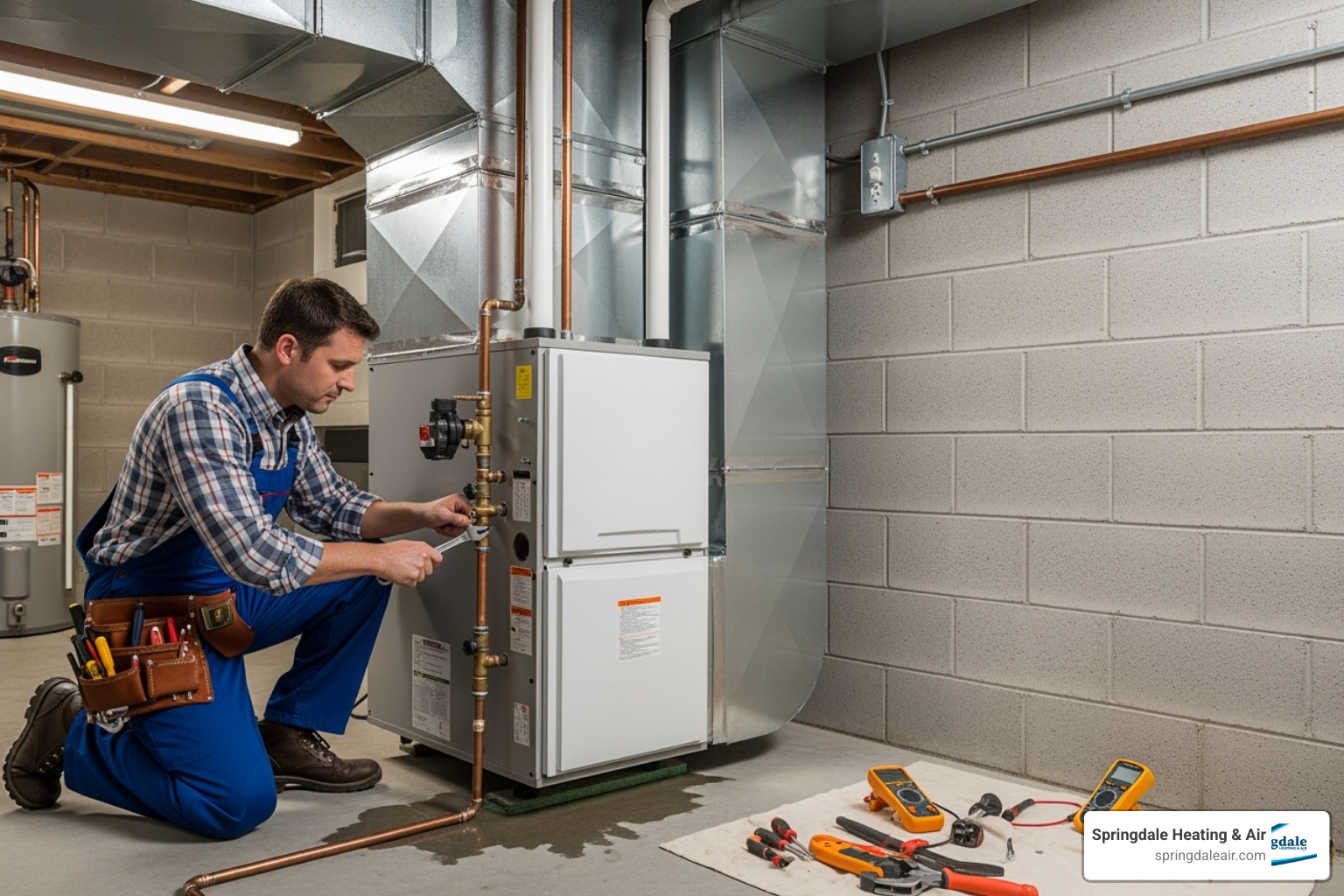
Why Your Home Deserves a Reliable Heating System
A new furnace installation is a key investment in your home’s comfort, safety, and energy efficiency. Whether your old system is failing or you’re upgrading to a more efficient model, understanding the essentials helps you make an informed decision.
Quick Overview: New Furnace Installation Essentials
- Timeline: 4-10 hours for a standard replacement.
- Lifespan: 15-20 years for gas furnaces, up to 30 for electric.
- Efficiency: Modern units achieve 92-98% AFUE ratings.
- Professional Required: Expertise is mandatory for gas lines, electrical work, and code compliance.
- Cost Factors: Unit type, home size, ductwork condition, and labor rates.
During cold Tennessee winters, your heating system is the heart of your home. A failing unit leads to discomfort, safety risks, high energy bills, and unexpected emergency repair costs.
Fortunately, today’s high-efficiency furnaces are quieter, more reliable, and far more energy-efficient than older models. A properly installed system can save you hundreds annually on heating costs while providing consistent warmth.
However, the quality of the installation is just as important as the equipment itself. A poorly installed furnace, even a top-tier model, will underperform, waste energy, and can create serious safety hazards.
Recognizing the Red Flags: When to Replace Your Furnace
Your furnace won’t last forever. Most gas furnaces have a lifespan of 15 to 20 years, while electric units can last up to 30 years with proper care. Long before it fails completely, your furnace will show warning signs that it’s time for a replacement.
Here are the key red flags to watch for:
- Rising Energy Bills: If your heating costs are climbing without explanation, your aging furnace is likely working harder and less efficiently to produce the same amount of heat.
- Frequent Repairs: Are you on a first-name basis with your HVAC technician? When repair costs approach half the price of a new furnace installation, you’re investing in a failing system.
- Inconsistent Heating & Strange Noises: Uneven temperatures, where some rooms are hot and others are cold, indicate your furnace is struggling. Listen for unusual banging, rattling, or screeching, which can signal motor problems or loose parts.
- Visible Signs of Distress: Look for soot around your registers, visible rust on the unit, or a significant increase in dust around the house. These point to combustion problems, moisture issues, or poor filtration.
- Yellow Burner Flame: This is a critical safety alert. A healthy furnace has a blue flame; a yellow flame indicates incomplete combustion and a potential carbon monoxide risk. This requires immediate professional attention.

The Risks of Postponing Replacement
Ignoring these signs and delaying replacement can be costly and dangerous. You risk decreased efficiency and higher utility bills as your old unit consumes more fuel for less heat. Unexpected breakdowns often happen during the coldest weather, leading to expensive emergency service calls. For more on common issues, see our guide on common heating problems.
The most serious risks are safety hazards. An old furnace can develop cracks in the heat exchanger, leaking deadly carbon monoxide into your home. It can also lead to poor indoor air quality, circulating dust and allergens that affect your family’s health. A planned new furnace installation is always safer and more cost-effective than an emergency replacement. While we offer efficient heating repair solutions, they are often a temporary fix for a system that needs replacement.
Choosing the Right Unit: A Guide to Furnace Types, Sizing, and Efficiency
Selecting a new furnace requires matching the right equipment to your home’s specific needs. The best choice depends on available fuel sources, Tennessee’s climate, and your budget. Understanding furnace types, efficiency (AFUE), and proper sizing is crucial for a successful new furnace installation.
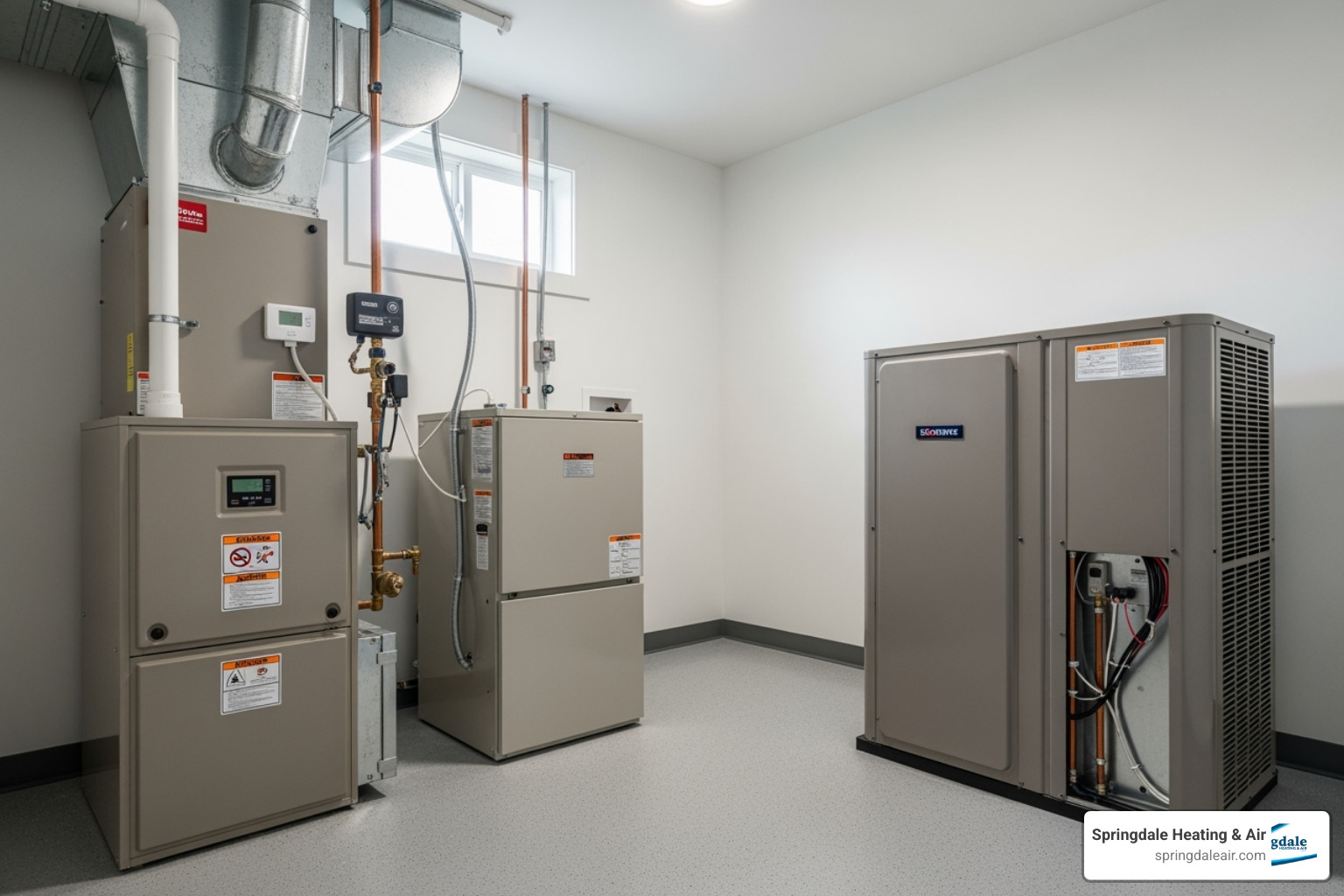
Furnace Types and Fuel Sources
- Natural Gas Furnaces: The most common and cost-effective option where available. They provide powerful, fast heating and achieve high efficiency (92-98% AFUE). They require a gas line and proper maintenance to prevent carbon monoxide risks.
- Electric Furnaces: These units have a lower upfront cost, operate silently, and have no CO risk. While 100% efficient at converting electricity to heat, they can be more expensive to operate depending on local utility rates. They are a good fit for smaller homes or as a backup system.
- Other Options: Oil and propane furnaces are alternatives in areas without natural gas access, but require on-site fuel storage. Dual-fuel systems offer maximum efficiency by combining an electric heat pump for mild weather with a gas furnace for extreme cold.
Understanding Furnace Motors and Efficiency
Furnace motors impact comfort and energy use. Single-stage motors run at full capacity only, which can lead to temperature swings. Multi-stage motors operate at different levels (e.g., 60% or 100%), providing more consistent heat and better efficiency. Variable-speed motors offer the best performance, precisely adjusting fan speed to deliver consistent temperatures, quiet operation, and the lowest energy consumption.
AFUE (Annual Fuel Utilization Efficiency) is a key metric. A 95% AFUE rating means 95% of the fuel becomes heat for your home. Higher AFUE ratings mean lower utility bills. ENERGY STAR certified models are about 6% more efficient than standard units, offering significant long-term savings.
The Critical Role of Proper Sizing
Proper furnace sizing is a science, not a guess. Furnace capacity is measured in BTUs (British Thermal Units). A professional technician must perform a heat loss calculation that considers your home’s square footage, insulation, windows, ceiling height, and local climate.
- An oversized unit will “short cycle”—heating the space too quickly and shutting off repeatedly. This causes inefficient operation, increased wear and tear, and uncomfortable temperature swings.
- An undersized unit will run constantly without being able to reach the desired temperature on the coldest days, leading to discomfort and high energy bills.
Correct sizing ensures your furnace runs efficiently, provides consistent comfort, and lasts its full lifespan. This critical step requires a professional assessment for any new furnace installation.
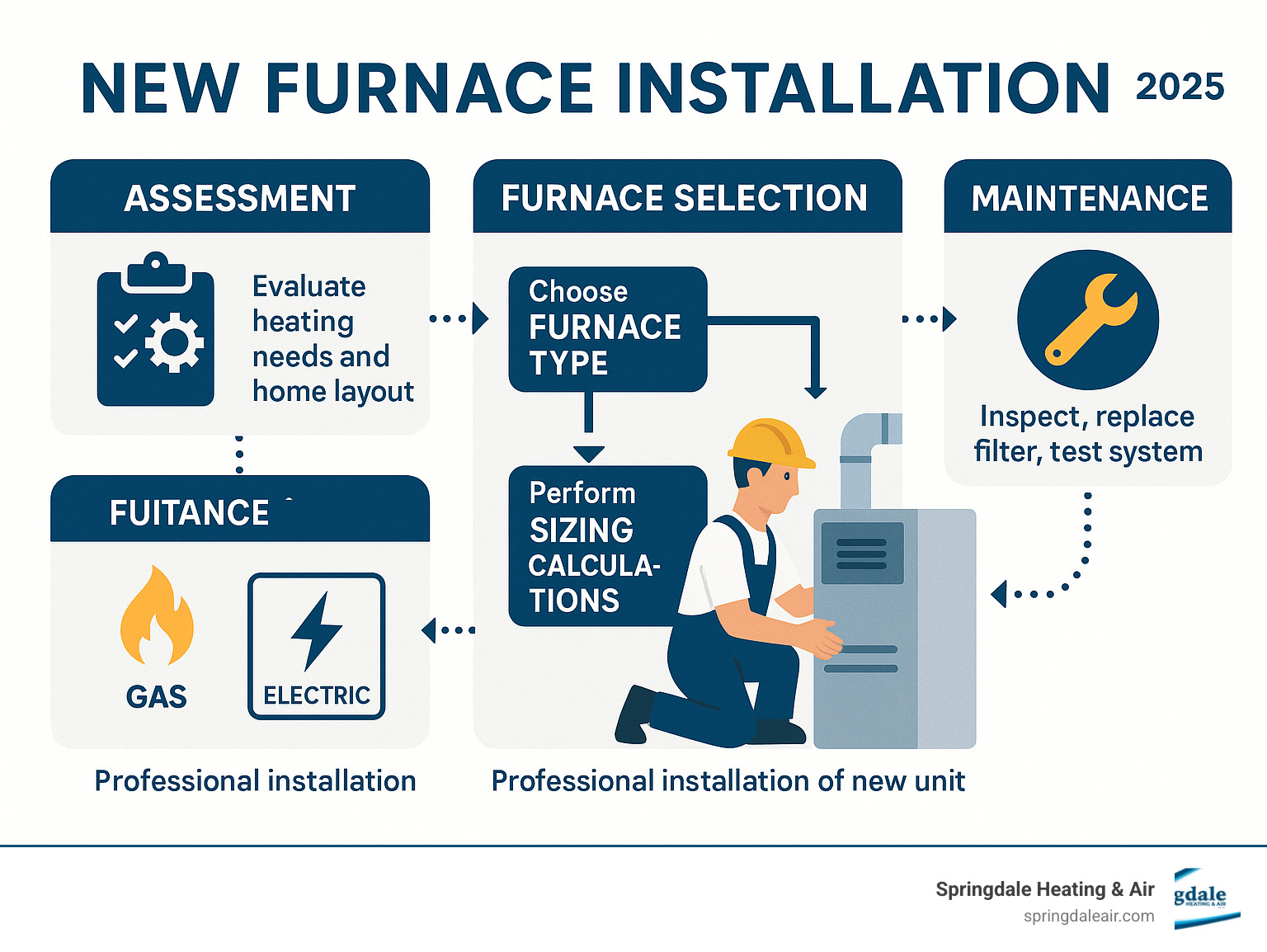
The New Furnace Installation Process: From Consultation to Final Testing
A new furnace installation is a structured process that typically takes 4 to 10 hours, depending on the complexity of your home’s system. The journey begins with a thorough home assessment by a certified technician and ends with a perfectly running system.
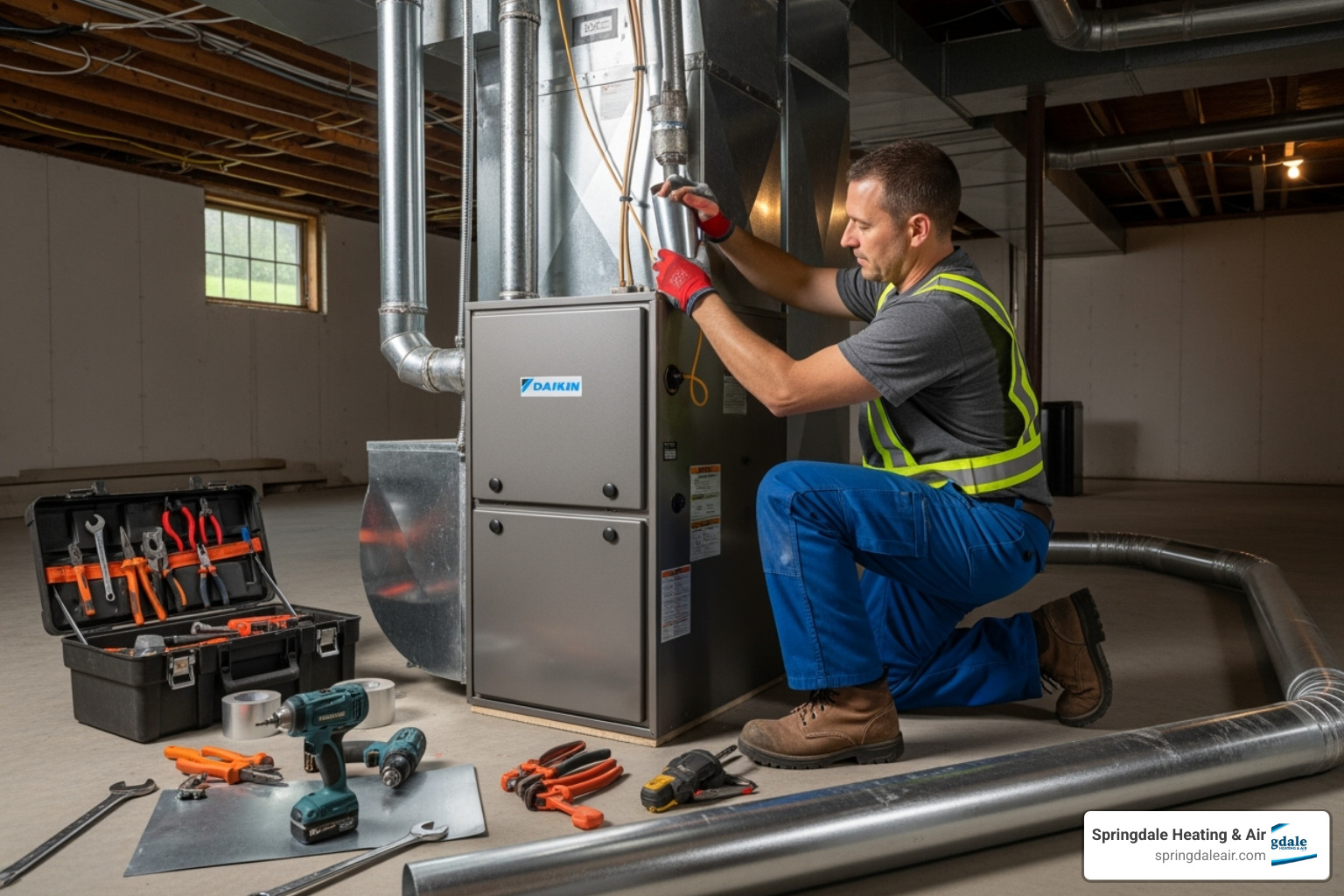
Our NATE-certified technicians evaluate your entire heating setup—including ductwork and your home’s layout—to recommend the ideal solution. Once you approve the plan, our team arrives ready to perform a seamless installation, treating your home with respect.
Preparing for Your Installation Appointment
To ensure a smooth installation day, please take a few preparatory steps:
- Clear the Area: Ensure a clear path from the door to the furnace location for moving equipment.
- Remove Clutter: Tidy the space around the furnace to give technicians ample room to work safely.
- Secure Pets: For their safety and comfort, keep pets in a separate, secure area.
- Inform Your Household: Let family members know about the work being done.
- Provide Access: Make sure the electrical panel and gas shut-off valve are easily accessible.
Our professional teams come prepared with floor coverings to protect your home.
Step-by-Step Installation Guide
Here’s what to expect on installation day:
- Safety First: We begin by shutting off the power and gas supply to the old unit according to strict safety protocols.
- Old Unit Removal: The old furnace is carefully disconnected and removed for responsible disposal.
- Space Preparation: We clean the area and make any adjustments to ensure the new furnace will be level and secure.
- New Unit Placement: The new furnace is precisely positioned for optimal airflow and future service access.
- System Connections: We expertly connect the gas lines, electrical wiring, and ductwork. This step is critical for performance and safety.
- Exhaust Venting: We install the appropriate venting system required for modern high-efficiency furnaces to ensure safe removal of combustion gases.
- Thermostat Connection: Your new or existing thermostat is connected and configured to communicate properly with the furnace.
- Final Testing and Calibration: We conduct a full system check, testing airflow, heating cycles, and safety features to ensure everything is calibrated for peak performance and efficiency.
Budgeting for Your Upgrade: Costs, Financing, and Professional Installation
Investing in a new furnace installation is a significant decision for your budget and comfort. While specific prices vary by home, understanding the cost factors helps you plan accordingly. At Springdale Heating & Air, we believe in transparency to help you make the best choice. For more on our commitment, see why choose us for heating & air services.
Key Factors Influencing Installation Cost
Your total cost depends on several factors:
- Furnace Type and Fuel: Gas furnaces may have higher upfront costs if new lines are needed but are often cheaper to run. Electric units may be cheaper to install but have higher operating costs.
- Brand and Efficiency: A high-efficiency 95% AFUE furnace costs more initially than an 80% AFUE model but provides significant long-term savings on utility bills.
- Home and System Complexity: A simple replacement costs less than one requiring ductwork modifications, electrical upgrades, or navigating a complex layout.
- Labor, Permits, and Warranty: Costs include the expertise of certified technicians, required local permits, and warranty coverage.
Why Professional Installation is Essential
Attempting a DIY furnace installation is dangerous and ill-advised. Professional installation is non-negotiable for several reasons:
- Safety: Technicians are trained to safely handle high-voltage electricity, gas lines, and proper venting to prevent fires, leaks, and carbon monoxide poisoning.
- Code Compliance: Professionals ensure the installation meets all local building codes, passing inspections and avoiding fines.
- Warranty Protection: Most manufacturers require professional installation to validate the furnace’s warranty.
- Performance and Savings: According to Energy.gov, proper installation can save you 10-30% on heating costs. An expert ensures your system is correctly sized and calibrated for peak efficiency.
Rebates, Financing, and Ownership Options
We help make your new furnace installation affordable:
- Rebates and Tax Credits: We can help you find local utility rebates and federal tax credits for high-efficiency models.
- Financing Options: Our flexible financing plans allow you to spread the cost over manageable monthly payments.
- Long-Term Value: Consider the total cost of ownership. A more efficient unit may cost more upfront but saves you hundreds annually, paying for itself over its 15-20 year lifespan.
Maximizing Your Investment: Post-Installation Maintenance
Your new furnace installation is a major investment. To protect it and ensure it performs at its peak for years to come, regular maintenance is essential. Just like a new car needs oil changes, your furnace needs TLC to maximize its lifespan and efficiency. Furthermore, most manufacturers require annual maintenance to keep your warranty valid.
Simple habits and annual professional care will keep your system running smoothly. For complete care, explore our comprehensive heating service options.
Essential Maintenance for Your New Furnace
- Change the Air Filter Regularly: This is the most important DIY task. A dirty filter restricts airflow, forcing your furnace to work harder, wasting energy, and causing strain. Check your filter monthly and replace it when dirty.
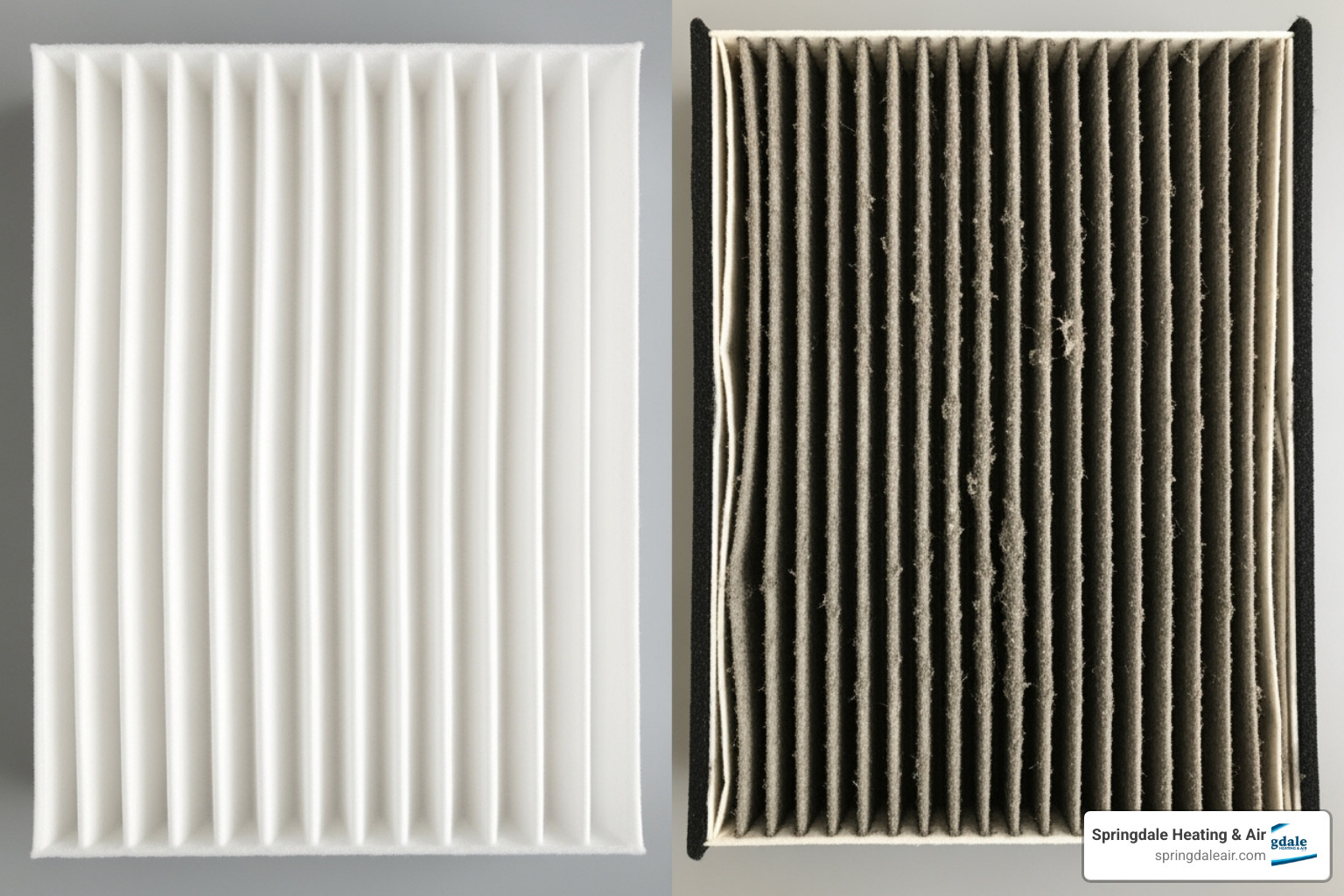
- Keep Vents and Registers Clear: Vacuum dust and debris from vents to ensure unobstructed airflow throughout your home.
- Schedule Annual Professional Inspections: This is critical for safety, efficiency, and your warranty. A certified technician will clean internal components, inspect for potential issues, and ensure safe operation. This service is available through our heating service in East Brainerd, TN and other service areas.
The Importance of Clean Ductwork
Your new furnace is only as good as the duct system that distributes its heat. Dirty or leaky ducts can undermine its performance.
- Airflow and Efficiency: Debris inside ducts restricts airflow, while leaks can allow up to 30% of your heated air to escape into walls or attics. This wastes energy and money.
- Indoor Air Quality: Dirty ducts circulate dust, allergens, and other pollutants throughout your home every time the system runs.
While you can clean visible vents, professional duct cleaning addresses the entire system. The EPA offers information on air duct cleaning to help you decide if it’s right for your home. Our team provides HVAC cleaning in Cleveland, TN to ensure your entire system works in harmony.
Frequently Asked Questions about Furnace Installation
When considering a new furnace installation, homeowners often have similar questions. With over 50 years of experience serving Cleveland and Chattanooga, we’ve compiled answers to the most common inquiries.
How long does a typical furnace last?
A furnace’s lifespan depends on the model and maintenance. Natural gas furnaces typically last 15 to 20 years, though some can reach 25 years with diligent annual tune-ups. Electric furnaces often last longer, potentially up to 30 years, as they have fewer moving parts. Regular professional maintenance is the key to maximizing the lifespan of any unit.
Can I install a new furnace myself to save money?
We strongly advise against DIY furnace installation. In many areas, it is illegal and poses significant safety risks. A new furnace installation involves high-voltage electricity, gas lines, and complex venting. A single mistake can lead to gas leaks, fires, or carbon monoxide poisoning. Professional installation is required for warranty validation, ensures code compliance, and guarantees your system operates safely and efficiently, saving you money in the long run.
What does AFUE mean and why is it important?
AFUE stands for Annual Fuel Utilization Efficiency. It measures how much of your fuel is converted directly into heat for your home. For example, a 95% AFUE furnace turns 95 cents of every fuel dollar into usable heat, with only 5% lost. A higher AFUE rating means greater energy efficiency and lower heating bills. Modern high-efficiency furnaces range from 92% to 98% AFUE, offering substantial savings over their lifespan.
Conclusion
Investing in a new furnace installation is a proactive step toward ensuring your home’s comfort, safety, and efficiency. From recognizing the signs of a failing unit to understanding the benefits of a modern, high-efficiency system, the path to reliable warmth is clear. Modern furnaces with AFUE ratings of 95% or higher can dramatically reduce your heating costs compared to older, inefficient models.
However, the most critical element is the installation itself. Even the best equipment will fail to perform if not installed correctly. Proper sizing, safe connections, and precise calibration require the skill of trained professionals. This is not a DIY project; it’s an investment in your family’s well-being.
For homeowners in Cleveland, Chattanooga, and surrounding Tennessee communities, our team at Springdale Heating & Air is here to help. With over 50 years of combined experience, NATE-certified technicians, and an A+ BBB rating, we provide honest and reliable service. Don’t wait for an emergency breakdown this winter.
Contact us for your new furnace installation in Cleveland, TN and experience the peace of mind that comes with a dependable heating system.