


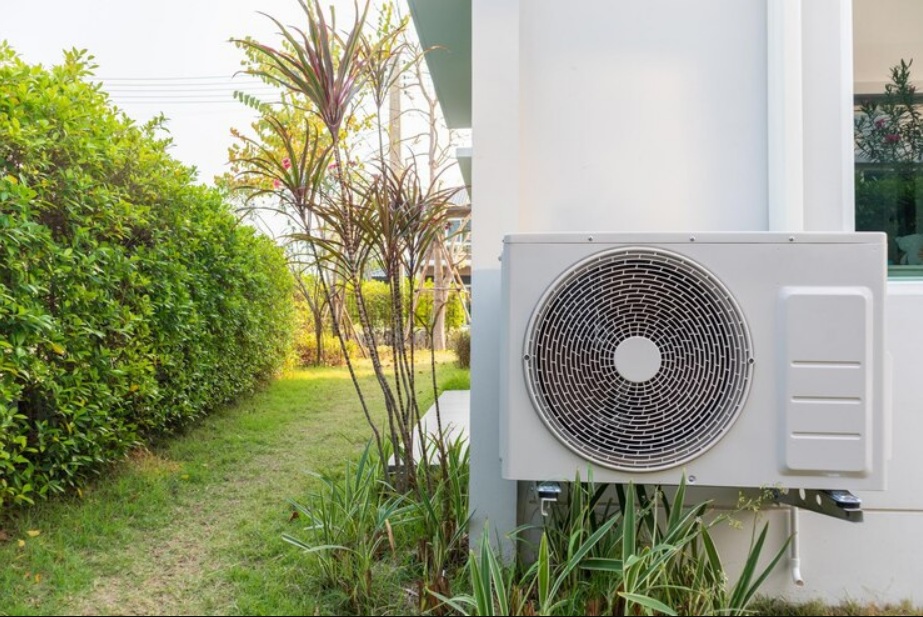
Heat pumps are an important part of staying comfortable in your Athens home year-round. When they run efficiently, they help manage indoor temperatures without much thought from you. But when something’s off, especially with the refrigerant inside the unit, you may start to feel the impact. Refrigerant is what allows the system to transfer heat properly. If there’s a problem with it, your heat pump could struggle to heat or cool your home the way it’s supposed to.
Problems with refrigerant can show up in several different ways, and they often cause bigger trouble when ignored. From poor temperature control to rising utility bills, the symptoms can be frustrating and stressful. Knowing the early warning signs of a refrigerant issue gives you a better chance of protecting your system before it turns into a costly or long-term problem. If you’re dealing with strange AC behaviour or sudden changes in performance, it may be time to look at refrigerant as the source of the issue.
Signs Your Heat Pump May Have a Refrigerant Problem
Most refrigerant issues don’t start big. They creep in slowly, causing small changes that can be easy to overlook. But when those smaller signs go unnoticed, they can lead to complete system failure or expensive repairs. If your heat pump isn’t performing like it used to, keep an eye out for the following clues:
– Unusual noises: If you hear a hissing or gurgling sound coming from your heat pump, that can point to a refrigerant leak. These sounds often come from cracks or holes in the line, where the refrigerant is escaping.
– Ice buildup: Refrigerant issues can cause frost or ice to form on the outdoor coils or refrigerant lines. This happens when the reduced refrigerant level changes how the unit absorbs and releases heat.
– Higher energy bills: A system low on refrigerant must run longer to heat or cool the space. That added runtime increases electricity use and can lead to sudden spikes on your energy bill.
– Inconsistent temperatures: If certain rooms in your home stay too warm or too cold, or the heat pump is blowing lukewarm air, it may not have enough refrigerant to do the job correctly.
One homeowner in Athens noticed their living room never felt as warm in the evenings, even though the system was running. After a short inspection from a technician, it turned out a small refrigerant leak had been affecting the heat pump’s performance for several weeks.
Recognizing these problems early gives you a better chance to fix them before they cause long-term damage. Never assume these signs are just temporary quirks. Small leaks can grow quickly, and running the unit in that condition can strain multiple parts of your system.
What Typically Causes These Issues?
Understanding what can go wrong helps prevent some of the more common refrigerant-related problems. Even newer heat pumps might face these issues if something wasn’t right from installation or if they’ve had heavy use.
Here are the most frequent causes of refrigerant trouble:
1. Leaks in the refrigerant lines: Over time, metal lines can develop cracks or become corroded. Weather changes, moisture exposure, or physical damage can lead to small holes where refrigerant starts to escape.
2. Factory defects: In rare cases, heat pumps leave the factory with flaws in their refrigerant components. These issues may take a while to surface and are harder for homeowners to notice early on.
3. Wear and tear: Like any working system, regular usage can take its toll. Valves, connectors, and coil surfaces can all start to wear down, allowing refrigerant to seep out slowly if not maintained.
4. Poor installation practices: If a heat pump wasn’t installed with the right attention to line connections or refrigerant levels, problems may show up quickly. Low refrigerant from day one makes the system work harder than it should and increases failure risk later.
All of these issues share a common outcome: less refrigerant reaching the right parts of your system. That means more stress on the compressor, lower comfort, and a shorter lifespan for the heat pump if left unresolved. Getting the system checked by qualified technicians matters. They will know exactly where to look and how to fix it without guessing.
Dangers of Ignoring Refrigerant Problems
Letting refrigerant problems go unresolved can do more harm than most homeowners in Athens realize. What starts as a faint hiss or weak airflow could snowball into a full system failure if it’s not inspected right away. Small leaks, especially, can cause major stress to other parts of the heat pump.
There’s always a chance that a refrigerant shortage will burn out the compressor, which is one of the most expensive replacements in any heat pump system. When the unit has to work twice as hard with half the refrigerant, parts break down faster than they should. That leads to more frequent service calls and, eventually, may force you to replace the system altogether, even before it’s reached the end of its expected lifespan.
Ignoring refrigerant leaks also affects your indoor comfort and air quality. A heat pump running under pressure or without enough refrigerant may cycle erratically. The temperature inside might change from room to room, or you may feel cool or warm air when it shouldn’t be happening. Beyond discomfort, this kind of operation adds extra moisture to the air or lets it get too dry, depending on the season. That kind of imbalance puts added stress on anyone sensitive to air quality issues or temperature fluctuations in the home.
Leaking refrigerant can also raise safety concerns. While not always dangerous in small amounts, large leaks or long-term exposure aren’t good for the environment. If left unresolved, it could spill into the ground outside or leak indoors through vents. Quick attention helps avoid these situations and keeps the system operating safely.
How Our Technicians Diagnose and Repair Heat Pump Refrigerant Issues
When refrigerant problems show up in your home, guesswork isn’t enough. Our technicians use a detailed process to find the root of the issue, whether it’s minor or more involved. They take the time to properly inspect every part of the system, making sure nothing gets overlooked.
Here’s what usually happens during a service visit focused on refrigerant issues:
– First, pressure readings are taken to see if the system shows signs of low refrigerant levels. This helps confirm whether there’s a leak to track down.
– Then, the technician uses specialized equipment such as electronic leak detectors or UV dyes added to the line to locate tiny holes or weak connections.
– Once leaks are found, the next step is sealing the leak or replacing the damaged component entirely. Simply topping off refrigerant without fixing what’s broken is never the right move.
– After repairs, the system gets recharged with the appropriate amount of refrigerant and tested for performance. Airflow is measured, temperature outputs are checked, and the system is allowed to run under normal conditions.
– Finally, the technician may walk you through what they’ve observed and how to avoid similar issues in the future.
Regular maintenance visits can catch minor leaks or signs of wear before they become disruptive. During those checkups, our technicians clean and inspect key components like coils and connectors, helping keep refrigerant issues from becoming full-on repairs. It is a proactive approach that saves time and stress later.
Keeping Your Heat Pump in Top Condition in Athens
Heat pump issues related to refrigerant often go unnoticed until performance starts to drop off. But the longer these problems go without attention, the more damage they create. Spotting early signs and getting them checked fast keeps your Athens home more comfortable and your system working longer.
Scheduling routine maintenance helps prevent many refrigerant-related issues from showing up in the first place. Even if everything seems to be running fine, a seasonal inspection can reveal signs of wear that haven’t surfaced yet. Catching a loose fitting or a weak seal before it leaks goes a long way toward avoiding future breakdowns.
If your heat pump feels like it’s running longer than usual or the temperature doesn’t feel consistent from room to room, don’t ignore those changes. Unusual sounds, spikes in energy use, or frost buildup can all be signs that something’s off with the refrigerant. Trusting experienced professionals to take a closer look now can save you from bigger, more expensive repair work later. Keep your heating and cooling on track by being alert to early symptoms and acting before they turn into bigger problems.
If your heat pump is showing signs of refrigerant issues or inconsistent performance, it may be time to consider expert assistance to avoid more significant problems. You can rely on Springdale Heating & Air for dependable heat pump repair in Athens to keep your system running safely and efficiently. For a quick estimate or to book a service visit, please contact us today.