


Simple HVAC Care Tips for Homeowners
A well-maintained HVAC system delivers consistent comfort, energy savings, and fewer breakdowns—all critical for homeowners in Cleveland, TN’s humid summers and chilly winters. By following this guide, you’ll learn why proactive HVAC maintenance matters, how often to perform key tasks, simple DIY steps, when to call in a technician, winter furnace preparation, indoor air quality improvements, a seasonal inspection checklist, and answers to common homeowner questions. These Easy HVAC Maintenance Tips for Homeowners promise clearer air, lower bills, and longer equipment life—backed by Springdale Heating & Air’s expertise in local HVAC services.
Why Is Regular HVAC System Maintenance Essential for Homeowners?
Regular HVAC system maintenance is a scheduled process of inspecting, cleaning, and tuning heating and cooling components to ensure optimal performance. By systematically replacing filters, clearing coils, and calibrating controls, this routine prevents energy waste and reduces wear on major parts. Improving airflow and refrigerant balance lowers utility bills and extends equipment lifespan.
What follows are the core reasons every homeowner should prioritize maintenance:
What Are the Key Benefits of HVAC Maintenance for Energy Efficiency?
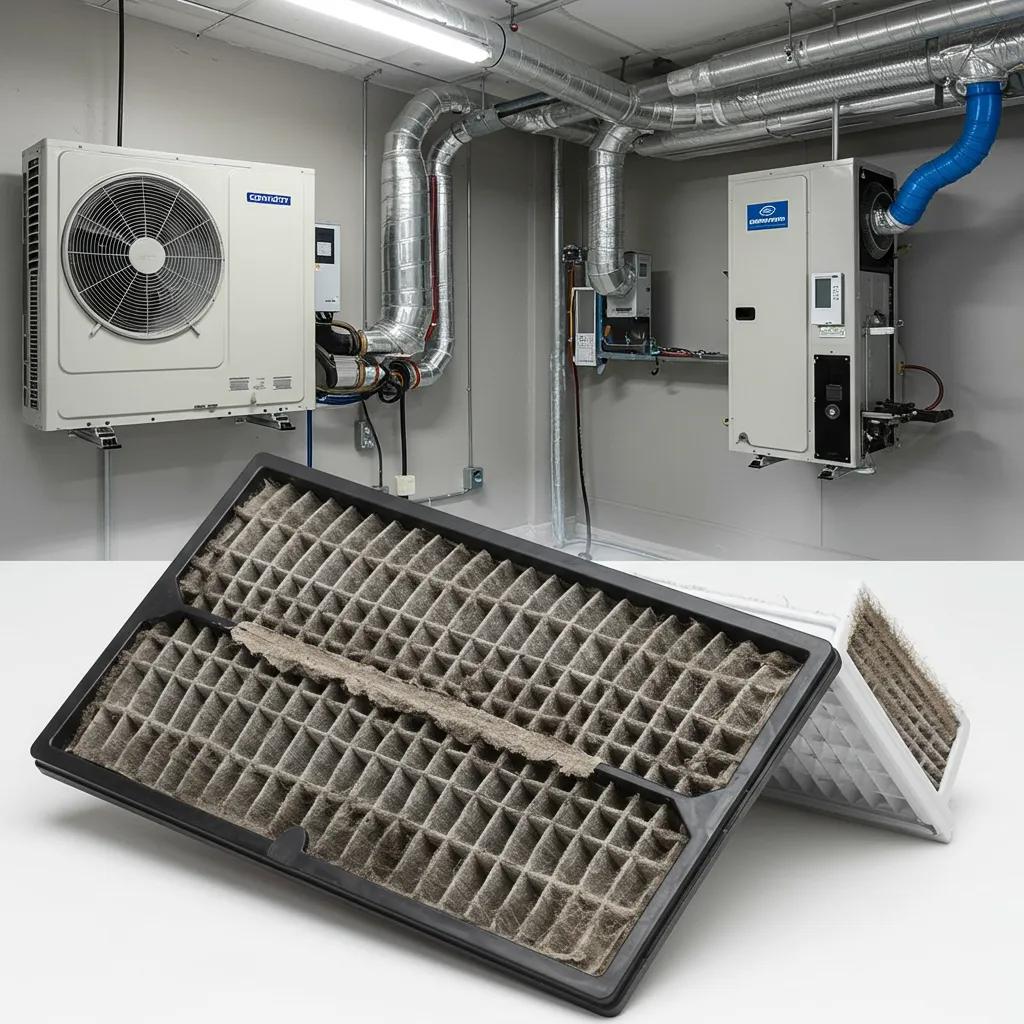
Routine tune-ups restore peak airflow, reduce compressor workload, and maintain correct refrigerant levels. Regular filter changes and coil cleanings prevent blockages that force components to run longer, cutting energy use by up to 20 percent. Accurate thermostat calibration ensures systems cycle appropriately, avoiding unnecessary heating or cooling.
These efficiency gains translate into immediate financial relief and long-term sustainability for your HVAC system.
How Does Maintenance Improve Heating System Efficiency and Longevity?
Inspecting burners, heat exchangers, and pilot lights clears debris that hinders combustion and heat transfer. Lubricating blower motors and checking electrical connections prevent mechanical strain and avoid premature failures. Tightening gas fittings and testing safety switches safeguard against malfunctions and extend furnace lifespan by several seasons.
Such preventive care reduces emergency repairs and defers major replacement costs.
What Risks Do Homeowners Face Without Proper HVAC Upkeep?
Neglected systems accumulate dirt that impedes airflow, raising energy consumption and stressing components. Clogged condensate drains can lead to water damage and mold growth in ductwork and ceilings. Undetected refrigerant leaks diminish cooling capacity and may harm compressor integrity, resulting in costly breakdowns.
Proactive maintenance mitigates these hazards, maintaining comfort and protecting home structure.
How Often Should You Perform HVAC Maintenance Tasks?
Establishing a maintenance schedule keeps HVAC components operating safely and efficiently. A clear timetable ensures nothing is overlooked.
| Component | Recommended Interval | Outcome |
|---|---|---|
| Air conditioner filter | Every 1–3 months | Sustained airflow and energy savings |
| Furnace tune-up | Annually before winter | Reliable heat and extended lifespan |
| Outdoor condenser cleaning | Bi-annually (spring/fall) | Optimal cooling performance |
| Thermostat calibration | Annually | Accurate temperature control |
| Ductwork inspection | Every 2 years | Reduced leaks and improved IAQ |
When Should You Replace Air Conditioner Filters for Best Performance?
Changing filters every one to three months prevents particulate buildup that reduces airflow and strains the compressor. Homes with pets or high dust levels should opt for monthly replacements, while low-traffic residences may extend to a quarter.
How Frequently Should Furnace Maintenance Be Conducted?
A full furnace inspection and tune-up once per year—ideally in early autumn—ensures burners, safety controls, and heat exchangers are clean and operating correctly before cold weather arrives.
What Seasonal HVAC Checks Are Recommended for Cleveland, TN Homes?
Spring and summer calls for coil cleaning, refrigerant checks, and outdoor unit clearing to handle humidity. Autumn and winter checks focus on flame sensor cleaning, carbon monoxide detector testing, and blower motor lubrication to guarantee safe heating.
What Are the Easy DIY HVAC Maintenance Tasks Homeowners Can Do?
Homeowners can tackle simple upkeep tasks safely with minimal tools, maintaining system efficiency between professional visits.
- Replace Air Conditioner Filter every 1–3 months to sustain airflow and protect indoor air quality.
- Clean outdoor unit by removing debris, trimming nearby plants, and gently hosing off coils.
- Check thermostat settings for energy-saving schedules and ensure batteries are fresh.
- Inspect visible ductwork for gaps or loose connections, sealing minor leaks with mastic tape.
- Clear condensate drain line using a wet/dry vacuum or vinegar flush to prevent clogs.
How to Replace Your Air Conditioner Filter: Step-by-Step Guide
- Power off the HVAC system at the thermostat and breaker.
- Slide out the old filter and note its size and type.
- Insert a compatible filter in the correct airflow direction.
- Secure the filter panel and restore power.
- Record the date on the filter frame to track the next change.
Completing this task takes minutes and yields cleaner air and reduced energy waste.
What Is the Best Way to Clean Your Outdoor AC Unit Safely?
Use eye protection and gloves, switch off power at the outdoor disconnect, brush large debris away, then gently rinse coils with a garden hose. Avoid high-pressure nozzles to prevent damage. Once dry, restore power and check for clear airflow.
How Can You Check and Adjust Your Thermostat Settings for Efficiency?
Open the thermostat cover, replace alkaline batteries, then program a setback schedule—lower by 7–10 °C for eight hours—to save up to 10 percent on bills. Consider upgrading to a smart thermostat for adaptive control.
How to Inspect and Identify Leaks in Your Home’s Ductwork?
Visually examine accessible duct joints, listen for whistling sounds when the system runs, and feel for drafts. Seal small gaps with UL-rated mastic and reinforce joints with metal foil tape to prevent air loss. For more information, you can refer to the ductless systems service.
What Are the Simple Steps to Clear a Condensate Drain Line?
Locate the PVC drain stub near the indoor unit, attach a wet/dry vacuum to the end for one minute, then flush with a vinegar solution. Ensure water flows freely to avoid overflow and water damage.
When Should Homeowners Call a Professional HVAC Technician?
Complex issues and annual tune-ups require a trained technician’s expertise to protect warranties and maintain safety.
What HVAC Issues Require Expert Repairs or Tune-Ups?
Strange noises from compressors or burners, refrigerant leaks, electrical faults, persistent temperature imbalances, and safety control warnings all signal the need for professional intervention to avoid component damage or hazards.
How Do Professional Annual Tune-Ups Extend System Lifespan?
During an annual tune-up, a technician inspects electrical connections, tests safety controls, measures refrigerant levels, cleans coils, and lubricates moving parts. This comprehensive service identifies emerging issues and preserves optimal function.
What Are the Benefits of Scheduling HVAC Service in Cleveland, TN?
Local technicians understand regional climate challenges—high summer humidity and winter temperature swings. Their familiarity with local codes, prompt response times, and seasonal insights delivers tailored care and reliable system protection.
How Can Homeowners Prepare Their Furnace for Winter?
Proper furnace preparation ensures efficient, safe heating throughout the cold season and reduces breakdown risk.
What Are the Essential Furnace Maintenance Tasks Before Cold Weather?
Inspect and clean the burner assembly, check and adjust the pilot light or ignition sensor, replace the filter, lubricate blower bearings, and verify flue pipe integrity to prevent carbon monoxide leaks.
How to Test Carbon Monoxide Detectors During Furnace Upkeep?
Press the test button on each detector to confirm alarms sound. Replace batteries annually and install detectors near sleeping areas and furnace rooms to ensure early warning of hazardous gas.
When Is It Time to Replace or Upgrade Your Heating System?
Consider replacement when repair frequency rises, energy bills climb despite maintenance, equipment exceeds 15 years, or modern high-efficiency models offer substantial savings and improved comfort control.
How Does Proper HVAC Maintenance Improve Indoor Air Quality?
Maintenance removes dust, pollen, and microbial growth from filters, coils, and ducts, reducing airborne irritants and allergens for healthier home environments.
What Role Do Air Filters Play in Maintaining Healthy Indoor Air?
High-quality MERV-rated filters trap finer particles—pollen, dander, and dust mites—before they circulate. Regular filter replacement sustains optimal trapping efficiency and prevents filter bypass.
How Can Ductwork Sealing Reduce Air Leaks and Improve Air Quality?
Sealing gaps with mastic or foil tape prevents unfiltered attic or crawl-space air infiltration, ensuring only conditioned, filtered air supplies living spaces and reducing dust and humidity variations.
What Are Advanced Filtration Options for Cleaner Home Air?
HEPA filters capture 99.97 percent of particles down to 0.3 microns, activated carbon filters neutralize odors, and UV-C light systems inhibit microbial growth on coils—each delivering targeted air purification enhancements.
What Seasonal HVAC Maintenance Checklist Should Cleveland Homeowners Follow?
| Season | Priority Tasks | Key Benefit |
|---|---|---|
| Spring/Summer | Coil cleaning, refrigerant check, outdoor unit clearing | Peak cooling performance |
| Autumn/Winter | Burner inspection, filter replacement, safety tests | Reliable heat and safety compliance |
| Year-Round | Filter changes, thermostat calibration, duct checks | Consistent efficiency and comfort |
What Are the Most Common HVAC Maintenance Questions from Homeowners?
Homeowners often wonder about optimal schedules, warning signs, and DIY limits when maintaining comfort systems.
How Often Should HVAC Filters Be Changed for Optimal Performance?
Experts recommend replacing standard filters every 1–3 months; high-efficiency filters can last up to six weeks under heavy use, ensuring airflow and contaminant control.
What Are the Signs That Your HVAC System Needs Professional Service?
Persistent temperature fluctuations, unusual noises, rising energy bills, and water pooling around units all indicate that professional diagnostics and repairs are necessary.
Can Homeowners Perform All HVAC Maintenance Tasks Themselves?
While filter changes, outdoor unit cleaning, and thermostat adjustments are safe DIY tasks, any work involving refrigerant handling, electrical systems, or internal component access should be left to qualified technicians.
How Does HVAC Maintenance Affect Energy Bills and System Efficiency?
Regular maintenance reduces friction and airflow restrictions, allowing equipment to run fewer cycles and use less power. Well-tuned systems can cut energy consumption by 10–20 percent, directly lowering utility costs.
Homeowners who follow these Easy HVAC Maintenance Tips for Homeowners protect comfort, improve air quality, and extend system life—then rely on Springdale Heating & Air’s professional services to handle complex repairs, annual tune-ups, and new system installations with local expertise and dependable care.
Frequently Asked Questions
What are the signs that indicate my HVAC system needs maintenance?
Common signs that your HVAC system requires maintenance include unusual noises such as grinding or rattling, inconsistent temperatures throughout your home, and an increase in energy bills without a change in usage. Additionally, if you notice poor airflow or unpleasant odors, these can also indicate underlying issues. Regularly monitoring these signs can help you address problems early, ensuring your system operates efficiently and prolonging its lifespan.
How can I improve my HVAC system's energy efficiency?
Improving your HVAC system’s energy efficiency can be achieved through several methods. Regular maintenance, such as changing filters and cleaning coils, is essential. Additionally, consider upgrading to a programmable or smart thermostat to optimize heating and cooling schedules. Sealing ductwork to prevent air leaks and ensuring proper insulation in your home can also significantly enhance efficiency, leading to lower energy bills and a more comfortable living environment.
What should I do if my HVAC system is blowing warm air?
If your HVAC system is blowing warm air, first check the thermostat settings to ensure it is set to ‘cool’ and that the desired temperature is lower than the current room temperature. Next, inspect the air filter; a clogged filter can restrict airflow and cause the system to malfunction. If these steps do not resolve the issue, it may indicate a refrigerant leak or a problem with the compressor, necessitating a professional technician’s assessment.
How can I ensure my HVAC system is safe to operate?
To ensure your HVAC system is safe to operate, conduct regular inspections and maintenance. Check for any signs of wear or damage, particularly in electrical connections and gas lines. Ensure that carbon monoxide detectors are installed and functioning, especially near heating units. Additionally, schedule annual professional tune-ups to identify and rectify potential safety hazards, ensuring your system operates efficiently and safely throughout the year.
What are the benefits of using a professional HVAC service?
Utilizing a professional HVAC service offers numerous benefits, including expert diagnostics and repairs that can prevent costly breakdowns. Professionals have the training and tools to handle complex issues safely, ensuring compliance with local regulations. They can also provide tailored maintenance plans that enhance system efficiency and longevity. Furthermore, professional services often include warranties on parts and labor, giving homeowners peace of mind regarding their HVAC investments.
How can I maintain indoor air quality with my HVAC system?
Maintaining indoor air quality can be effectively managed through your HVAC system by regularly changing air filters and ensuring they are of high quality. Consider using HEPA filters that capture smaller particles. Additionally, schedule routine duct cleaning to remove dust and allergens. Incorporating air purifiers and ensuring proper ventilation can also help improve air quality, creating a healthier living environment for you and your family.
Conclusion
By prioritizing regular HVAC maintenance, homeowners can enjoy enhanced comfort, improved energy efficiency, and prolonged system lifespan. This proactive approach not only safeguards against costly repairs but also ensures healthier indoor air quality. For those seeking expert assistance, Springdale Heating & Air offers tailored services to meet your HVAC needs. Start your journey towards a more efficient home today by exploring our professional solutions.