


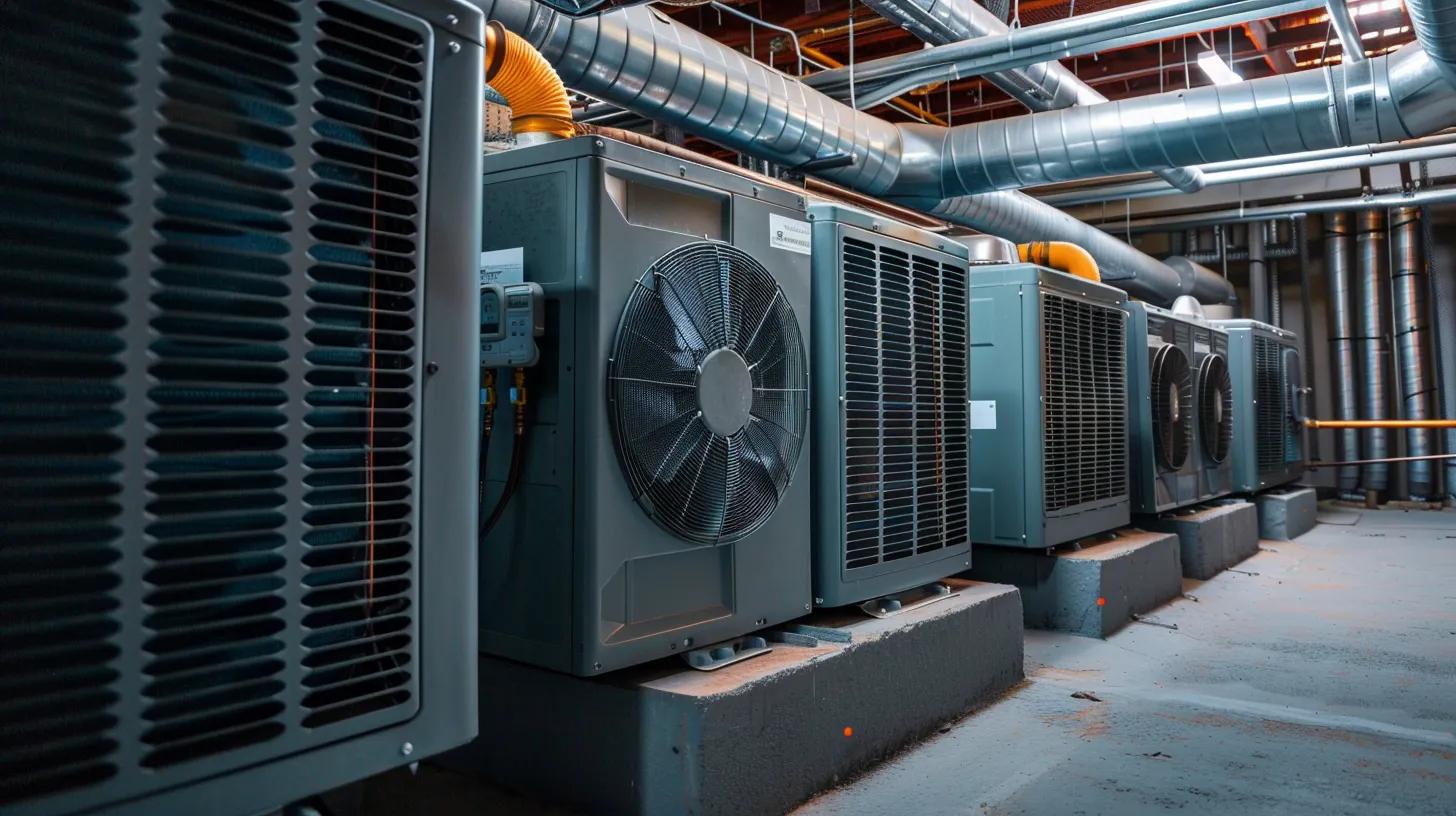
Top 10 HVAC Problems and Easy Troubleshooting Tips for Reliable Heating & Cooling
Your HVAC system is the heart of your home’s comfort, diligently working to maintain ideal temperatures year-round. However, even the most robust systems can encounter issues that disrupt their performance. This comprehensive guide delves into the ten most common HVAC problems homeowners face, detailing the tell-tale signs to watch for and providing straightforward troubleshooting steps you can confidently try at home. Understanding these issues not only helps you address minor glitches quickly but also contributes significantly to your system’s overall efficiency and extends its operational lifespan. For those moments when a problem requires more than a DIY fix, remember to trust local experts like Springdale Heating & Air — with over 30 years of dedicated service in Chattanooga, we’re ready to step in when professional intervention is needed.
Quick attention to HVAC problems matters — research supports acting early to avoid bigger issues down the line.
HVAC Troubleshooting Guide: Addressing Common Problems
HVAC issues deserve prompt attention because people spend most of their time indoors, and small problems can affect comfort and health if left unaddressed. A formal approach to provide information support for troubleshooting of HVAC related problems, 2014
Why Isn't My HVAC Cooling Like It Used To?
When your HVAC system fails to cool your home effectively, it’s more than just an inconvenience; it can lead to uncomfortable living conditions and unexpectedly high energy bills. Identifying the typical signs of poor cooling performance and understanding their likely causes is crucial for either resolving the issue yourself or knowing precisely when to call for professional service. Addressing these problems promptly can restore your home’s comfort and prevent further strain on your system.
Common Signs Your HVAC Isn't Cooling
Be vigilant for these specific symptoms, as they often indicate a cooling problem:
- Weak Airflow: If you notice that the air coming from your vents is significantly weaker than usual, or if some rooms receive very little airflow, it’s a strong indicator that your system is struggling to circulate air properly. This can be due to blockages or issues with the fan.
- Higher Energy Bills: A sudden and unexplained spike in your utility costs, especially during peak cooling seasons, often suggests that your HVAC system is working harder than it should to achieve the desired temperature, consuming more energy in the process.
- Uneven Temperatures: When certain rooms in your home remain noticeably warmer than others, despite the thermostat being set to a cool temperature, it points to an inefficiency in your cooling distribution or the system’s overall capacity.
Spotting these early can prevent a small issue from becoming a major repair, saving you both discomfort and expense.
Quick Steps to Troubleshoot Cooling Problems
Before contacting a technician, try these simple and effective checks first:
- Thermostat Check: Ensure your thermostat is correctly set to “Cool” mode and that the desired temperature is set several degrees below the current room temperature. Sometimes, a simple setting adjustment is all that’s needed.
- Air Filter Inspection: A dirty or clogged air filter is one of the most common culprits for poor airflow and reduced cooling efficiency. Inspect your filter and replace or clean it if it appears blocked with dust and debris.
- Ductwork Examination: Visually inspect any accessible ductwork for obvious disconnections, leaks, or obstructions. Even small leaks can significantly reduce cooling effectiveness by allowing conditioned air to escape.
If these initial steps don’t resolve the cooling issue, it’s a clear signal that a more in-depth diagnosis by a licensed HVAC technician is warranted.
Researchers continue developing better fault-detection and troubleshooting methods to diagnose HVAC issues more accurately.
Why Won't My Furnace Turn On — and What Can I Do?
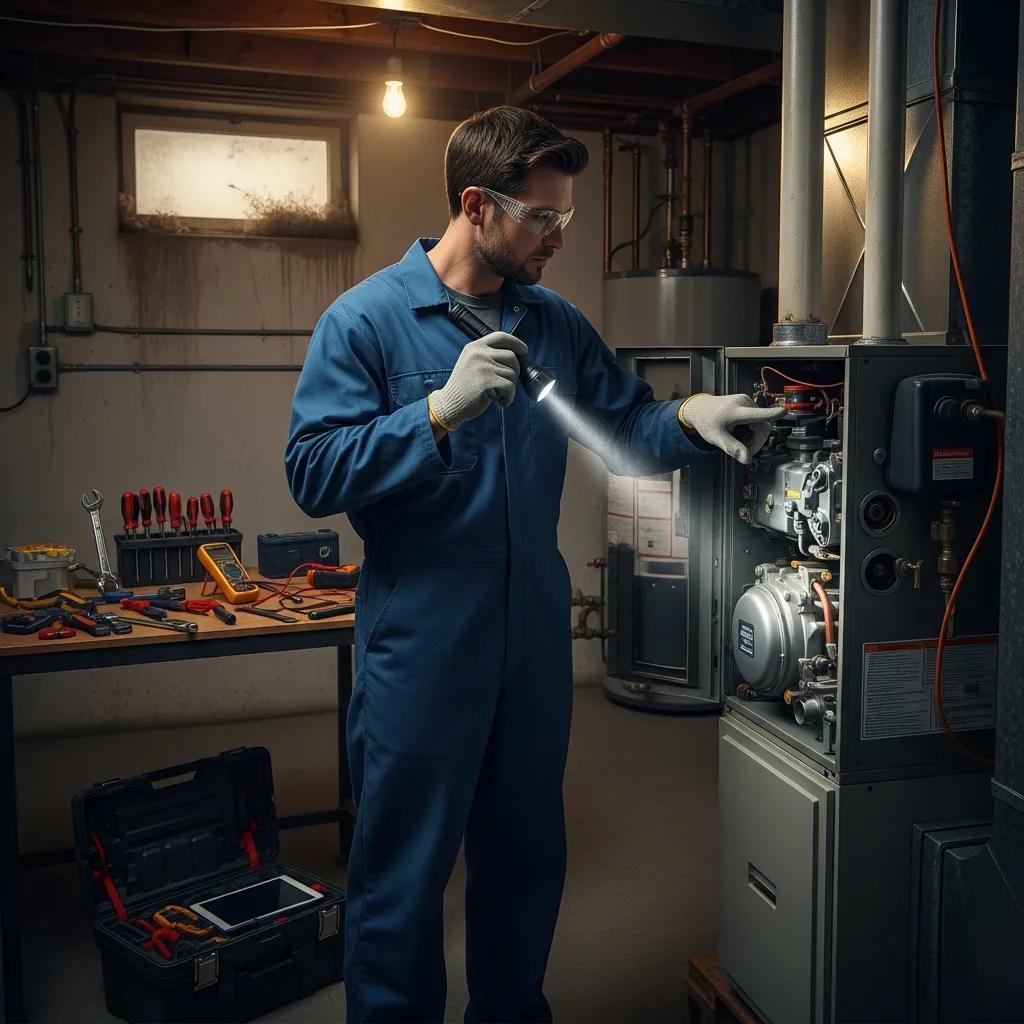
A furnace that refuses to start can be a source of significant stress, especially during colder months. Before you jump to conclusions or panic, it’s wise to investigate a few common causes. Many furnace starting problems are surprisingly simple to diagnose and fix, often requiring just a quick check of basic components. Understanding these potential issues can save you time and the expense of an unnecessary service call.
Top Reasons a Furnace Won't Start
Consider these frequent culprits when your furnace fails to ignite:
- Thermostat Problems: The thermostat is the command center for your heating system. Ensure it’s set to “Heat” and that the desired temperature is above the current room temperature. A dead battery in a digital thermostat can also prevent it from sending signals.
- Power Issues: Furnaces require electricity to operate. Check your home’s circuit breaker panel for any tripped breakers related to the furnace. Also, look for any emergency shut-off switches near the furnace or in the attic/basement that might have been accidentally flipped.
- Clogged Filters: A severely dirty air filter can restrict airflow so much that it causes the furnace to overheat. Many modern furnaces have safety features that will automatically shut down the system to prevent damage when airflow is insufficient.
Ruling out these basic issues can often get your system back up and running quickly, restoring warmth to your home.
When to Call a Pro for Furnace Repair
While some furnace issues are DIY-friendly, certain problems absolutely require the expertise of a trained professional. Contact a technician if you observe any of the following:
- Repeated Failures: If your furnace starts but then quickly stops, or if it consistently fails to stay running after multiple troubleshooting attempts, it indicates a deeper, more persistent problem that needs expert diagnosis.
- Complex or Dangerous Issues: Any problem involving gas lines, the ignition system (pilot light, igniter), or intricate electrical components should be left to trained professionals. Attempting to fix these yourself can be extremely dangerous and may void warranties.
Springdale Heating & Air provides experienced furnace repair in Chattanooga, ensuring your home remains safe and warm through expert, reliable service.
How to Spot an AC Refrigerant Leak
Refrigerant is the lifeblood of your air conditioning system, responsible for absorbing heat from your home and releasing it outside. Low refrigerant levels, typically caused by a leak, severely diminish your AC’s performance and can lead to significant damage to the compressor if left unaddressed. Catching a refrigerant leak early is paramount; it not only saves you money on energy bills but also prevents more extensive and costly repairs down the line.
Signs You May Have a Refrigerant Leak
Be attentive to these critical clues that often signal a refrigerant leak:
- Ice on the Coils: One of the most common and visible signs of low refrigerant is the formation of frost or ice on the evaporator coils (inside your home) or the refrigerant lines (outside). This occurs because the reduced pressure causes the remaining refrigerant to get too cold.
- Hissing or Bubbling Sounds: Refrigerant leaks can sometimes produce distinct auditory cues. A hissing sound often indicates refrigerant escaping through a small crack, while a bubbling sound might suggest a leak in a line submerged in water or oil.
- Rising Energy Costs: When refrigerant levels are low, your AC system has to work much harder and run longer cycles to try and achieve the set temperature. This increased effort directly translates to a noticeable and often significant increase in your monthly energy bills.
Early detection of these symptoms can significantly limit damage to your system and reduce the overall repair costs associated with a refrigerant leak.
Why a Refrigerant Leak Needs a Professional
Unlike some other HVAC issues, refrigerant leak repairs are not a DIY project and must be handled by licensed technicians for several crucial reasons:
- Safety Concerns: Refrigerants are chemical compounds that can be hazardous if handled incorrectly. Exposure can cause frostbite, chemical burns, or respiratory issues. Professionals have the proper training and equipment to handle these substances safely.
- Environmental Regulations: The release of refrigerants into the atmosphere is harmful to the environment and is strictly regulated by law. Licensed technicians are equipped with specialized tools for proper recovery, recycling, and disposal of refrigerants, ensuring compliance with environmental standards.
For safe, code-compliant, and effective service, always contact Springdale Heating & Air to address any suspected refrigerant leaks.
Common HVAC Electrical Issues and How to Handle Them
Electrical problems within your HVAC system can range from minor annoyances to serious safety hazards, potentially interrupting operation and even causing damage to components. Recognizing the warning signs of electrical faults is essential, as it empowers you to make an informed decision: whether you can safely troubleshoot the issue yourself or if it’s time to call in a qualified professional. Prompt attention to these issues can prevent larger, more costly failures.
How to Recognize Electrical Problems
Keep an eye out for these indicators that often point to an electrical issue:
- Tripped Breakers: If the circuit breaker connected to your HVAC unit repeatedly trips, it’s a strong indication of an electrical overload or a short circuit within the system. This safety mechanism prevents damage but signals an underlying problem.
- Buzzing or Clicking Noises: Unusual electrical noises, such as persistent buzzing, humming, or rapid clicking sounds emanating from the unit, can signify failing electrical components like contactors, relays, or capacitors that are struggling to operate.
- System Cycling On and Off: When your HVAC system turns on and off unexpectedly or runs for very short periods, it’s known as “short cycling.” This can be caused by various issues, including faulty wiring, a malfunctioning thermostat, or a problem with the control board.
Addressing electrical problems quickly can prevent larger failures, potential fire hazards, and extend the life of your HVAC system.
Frozen AC Coil — Why It Happens and How to Fix It
A frozen evaporator coil is a common yet serious problem that significantly reduces your air conditioner’s ability to cool your home and can lead to severe damage to the compressor if ignored. Understanding the underlying causes of coil freezing is the first step toward thawing it safely and implementing preventative measures to ensure it doesn’t happen again. Addressing this issue promptly is crucial for maintaining system efficiency and longevity.
What Causes Evaporator Coils to Freeze?
Several factors can contribute to the formation of ice on your AC’s evaporator coils:
- Low Refrigerant Levels: Insufficient refrigerant in the system causes a drop in pressure within the coils. This lower pressure leads to the refrigerant getting excessively cold, often below freezing point, causing moisture in the air to condense and freeze on the coil surface.
- Poor Airflow: Restricted airflow over the evaporator coil is a major culprit. This can be due to a severely clogged air filter, blocked return air vents, dirty coils themselves, or even issues with the blower fan. When warm air can’t properly pass over the coil, the coil’s temperature drops too low, leading to ice formation.
- Thermostat or System Issues: A malfunctioning thermostat that continuously calls for cooling even when the desired temperature is met, or other system control issues, can cause the AC to run excessively. Prolonged operation under less-than-ideal conditions can eventually lead to the coils freezing.
Finding the root cause of the freezing is the key to a lasting fix, rather than just repeatedly thawing the unit.
Frozen coils reduce heat transfer and increase pressure drop, which lowers system efficiency and performance.
Evaporator Coil Freezing: Causes & Efficiency Impact
Ice on the coil raises airflow resistance and cuts the coil’s ability to move heat — a blocked or frozen coil can render the unit ineffective until cleared.
A new method of defrosting evaporator coils, C Thybo, 2012
How to Thaw and Prevent Frozen Coils
Follow these steps to safely thaw your frozen coils and reduce the likelihood of recurrence:
- Turn Off the AC System: Immediately switch your thermostat from “Cool” to “Off” or “Fan Only.” This stops the compressor from running, allowing the ice to melt naturally and safely without further straining the system. Keep the fan running to help circulate air and speed up the thawing process.
- Replace or Clean Air Filters: Once the coil has thawed, inspect your air filter. If it’s dirty or clogged, replace it with a clean one. A clean filter ensures proper airflow, which is critical in preventing future freezing.
- Check Ducts and Vents for Obstructions: Walk through your home and ensure all supply and return air vents are open and unobstructed by furniture, curtains, or debris. Blocked vents can restrict airflow and contribute to freezing.
If your AC coils continue to freeze after performing these steps, it’s a strong indication of a more complex underlying issue, such as low refrigerant or a faulty component. In such cases, it is imperative to call a qualified HVAC technician to inspect refrigerant levels, diagnose system operation, and perform necessary repairs.
| Problem | Symptoms | Solutions |
|---|---|---|
| HVAC Not Cooling | Weak airflow, higher energy bills, uneven temperatures | Check thermostat settings, clean/replace air filters, inspect ductwork for blockages |
| Furnace Not Starting | No heat, odd noises, pilot light issues | Check power supply (breakers), verify thermostat settings, inspect air filter, call a pro if gas or electrical issues |
| Refrigerant Leak | Ice on coils, hissing/bubbling sounds, reduced cooling, rising energy bills | Schedule professional leak detection and repair; never attempt DIY refrigerant handling |
| Electrical Issues | Tripped breakers, buzzing/clicking noises, system short cycling | Turn off power, inspect visible wiring (if comfortable), hire a licensed technician for diagnostics and repair |
| Frozen AC Coils | Ice on evaporator coils, poor cooling, reduced airflow | Turn off AC to thaw, replace dirty filters, ensure clear vents, call tech if recurring or due to low refrigerant |
Keeping up with simple checks and routine maintenance is the most effective way to ensure your HVAC system runs efficiently, maintains optimal comfort, and avoids unexpected breakdowns. For problems that extend beyond basic troubleshooting, or when you need expert assistance, don’t hesitate to reach out to Springdale Heating & Air — we’re the trusted local team in Chattanooga with more than 30 years of experience dedicated to your home comfort.
Conclusion
Empowering yourself with knowledge about the most common HVAC problems and effective troubleshooting techniques can save you considerable time, money, and stress. Regular maintenance and taking early action when issues arise are key to keeping your system running smoothly and efficiently for years to come. However, when an issue goes beyond simple fixes or requires specialized expertise, remember that professional help is just a call away. Contact Springdale Heating & Air — your trusted local Chattanooga pros with over 30 years of experience — to get your home comfortable and your HVAC system performing optimally again.