


Why Is My Furnace Blowing Cold Air? Troubleshooting Guide
Experiencing cold air blowing from your furnace can be frustrating, especially during the colder months. Understanding the reasons behind this issue is crucial for effective troubleshooting. In this guide, we will explore common causes of a furnace blowing cold air, practical steps for troubleshooting at home, and when to seek professional help. By addressing these concerns, you can ensure your heating system operates efficiently and effectively. We will also provide maintenance tips to prevent future issues, ensuring your home remains warm and comfortable. Taking proactive steps can save you from costly repairs and improve your overall home comfort during the winter season.
What Are the Common Causes of a Furnace Blowing Cold Air?
A furnace blowing cold air can stem from several common issues that affect its performance. Identifying these problems early can save you time and money on repairs. Some of the primary causes include a malfunctioning thermostat, clogged or dirty filters, blocked vents, and issues with the pilot light or ignition system. Understanding these factors can help you diagnose the issue more effectively. Additionally, problems with the blower motor or ductwork leaks can also contribute to cold air being circulated. Recognizing these causes allows you to take targeted action to restore your furnace’s heating capability.
Can a Dirty Furnace Filter Cause Cold Air?
Yes, a dirty furnace filter can significantly impact your heating system’s performance. When filters become clogged with dust and debris, they restrict airflow, leading to inefficient heating. This restriction can cause the furnace to overheat and shut off the burners while the blower continues to run, resulting in cold air blowing from the vents. Regular maintenance, including changing filters, is essential to ensure optimal airflow and heating efficiency. Neglecting filter replacement not only reduces comfort but can also shorten the lifespan of your furnace by causing unnecessary strain on its components.
How Do Thermostat Problems Affect Furnace Heating?
Thermostat issues can also prevent your furnace from heating properly. Common problems include incorrect calibration, faulty wiring, or a malfunctioning thermostat altogether. If the thermostat is not accurately reading the temperature, it may not signal the furnace to turn on when needed, leading to cold air blowing through the vents. Ensuring your thermostat is functioning correctly is crucial for maintaining a comfortable indoor environment. Upgrading to a programmable or smart thermostat can also improve heating efficiency by allowing better control over temperature settings and schedules.
How Can I Troubleshoot My Furnace at Home to Fix Cold Air Issues?
If your furnace is blowing cold air, there are several troubleshooting steps you can take at home before calling a professional. Start by checking the thermostat settings to ensure it is set to “heat” and the desired temperature. Next, inspect the power supply to the furnace, ensuring it is receiving electricity. Finally, examine the air filter for any blockages that could impede airflow. Additionally, check that all vents and registers are open and unobstructed to allow proper air circulation. These simple checks can often resolve minor issues and restore warmth quickly.
What Steps Should I Follow to Check the Pilot Light and Ignition?
To check the pilot light and ignition, follow these steps:
- Check if the pilot light is lit: If it is out, follow the manufacturer’s instructions to relight it safely. A pilot light that won’t stay lit may indicate a faulty thermocouple or gas supply issue.
- Look for ignition issues: Ensure the ignition system is functioning correctly, as a faulty ignition can prevent the furnace from heating. Modern furnaces may use electronic ignition systems that require professional diagnosis if they fail.
- Safety precautions: Always prioritize safety when working with gas appliances. If you are unsure, consult a professional. Never attempt repairs beyond your comfort level to avoid risks of gas leaks or fire hazards.
How Do I Inspect and Troubleshoot the Blower Motor?
Inspecting the blower motor involves checking for unusual noises, blockages, and ensuring it operates correctly. Listen for any grinding or rattling sounds, which may indicate a problem. Additionally, ensure that there are no obstructions in the blower compartment that could hinder airflow. If the blower motor is not functioning properly, it may need repair or replacement. Regular lubrication and cleaning can help maintain blower motor performance and prevent premature failure. A malfunctioning blower motor can cause uneven heating and reduce overall system efficiency.
Understanding the significant role of the furnace blower, particularly its energy consumption and the impact of static pressure, is crucial for overall system efficiency.
Furnace Blower Function and Static Pressure Impact
Furnace blowers account for about 80percent of the total furnace electricity consumption and are primarily used to distribute warm air throughout the home during furnace operation as well as distribute cold air during air conditioning operation. Yet the furnace test procedure does not provide a means to calculate the electricity consumption during cooling operation or standby, which account for a large fraction of the total electricity consumption. Furthermore, blower electricity consumption is strongly affected by static pressure. Field data shows that static pressure in the house distribution ducts varies widely and that the static pressure used in the test procedure as well as the calculated fan power is not representative of actual field installations.
Furnace blower electricity: national and regional savings potential, 2008
When Should I Call a Professional HVAC Technician for Furnace Repair?
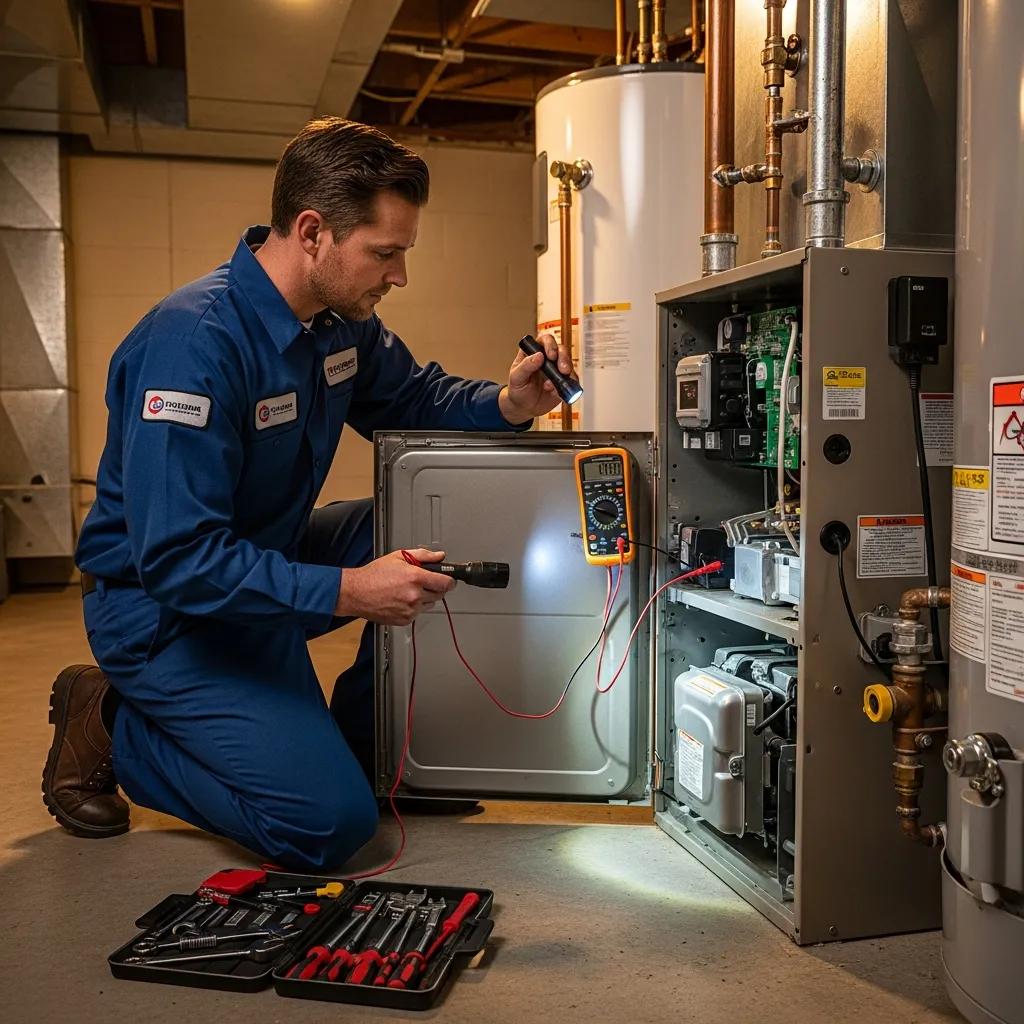
While some furnace issues can be resolved at home, certain signs indicate the need for professional assistance. If you notice odd odors, frequent short-cycling, or the activation of carbon monoxide detectors, it is crucial to call a qualified HVAC technician immediately. These signs can indicate serious problems that require expert attention. Additionally, if your furnace is more than 15 years old or has required multiple repairs recently, consulting a professional can help determine whether replacement is a more cost-effective option. Professional technicians have the tools and expertise to diagnose complex issues and ensure your system operates safely and efficiently.
What Are Signs That Require Expert Furnace Repair Service?
Signs that you may need expert furnace repair include:
- Unusual noises: Grinding, banging, or squealing sounds can indicate mechanical issues. Ignoring these noises can lead to more severe damage and costly repairs.
- Inefficient heating: If certain rooms are not warming up, it may signal a problem with the system. This could be due to duct leaks, blower issues, or failing components within the furnace.
- Higher energy bills: A sudden increase in energy costs can indicate that your furnace is working harder than it should. This inefficiency often points to underlying mechanical or electrical problems that need addressing.
How Does Springdale Heating and Air Provide Local Furnace Repair in Chattanooga and Cleveland?
Springdale Heating and Air offers comprehensive heating system inspections and emergency repairs for residents in Chattanooga and Cleveland, Tennessee. Their experienced technicians are equipped to handle various furnace issues, ensuring your home remains warm and comfortable. They also provide free estimates for system replacements, helping you make informed decisions about your heating needs. With a commitment to customer satisfaction and timely service, Springdale Heating and Air is a trusted choice for reliable furnace repair and maintenance in the local community.
What Maintenance Tips Help Prevent Furnace Blowing Cold Air Problems?
Preventing cold air issues in your furnace requires regular maintenance. Here are some essential tips to keep your heating system running smoothly:
- Change your air filter regularly: Replacing filters every 1-3 months ensures proper airflow and efficiency. Using high-quality filters can also improve indoor air quality by trapping allergens and dust.
- Keep vents and registers clear: Ensure that furniture or other objects do not block airflow from vents. Proper airflow distribution is key to maintaining consistent warmth throughout your home.
- Schedule annual professional maintenance: Regular inspections by a qualified technician can identify potential issues before they become major problems. Professional tune-ups can extend the life of your furnace and improve its performance.
How Often Should I Replace Furnace Filters to Ensure Proper Heating?
To maintain optimal heating efficiency, it is recommended to replace furnace filters every 1-3 months. High-efficiency filters may last longer, but regular checks are essential to ensure they are not clogged. Neglecting filter maintenance can lead to reduced airflow and increased energy costs. Additionally, homes with pets or high dust levels may require more frequent filter changes to maintain air quality and system performance.
What Role Does Regular Thermostat and System Inspection Play?
Regular thermostat and system inspections play a vital role in maintaining your furnace’s efficiency. These inspections help detect early signs of wear and tear, allowing for timely repairs. Additionally, routine checks can improve energy efficiency, leading to lower utility bills and a more comfortable home environment. Keeping your thermostat calibrated and your system clean ensures that your furnace operates at peak performance throughout the heating season, reducing the likelihood of unexpected breakdowns.
Frequently Asked Questions
What should I do if my furnace is blowing cold air despite troubleshooting?
If your furnace continues to blow cold air after performing basic troubleshooting, it may indicate a more serious issue. Check for any error codes on the thermostat or furnace display, which can provide clues about the malfunction. If you have already inspected the thermostat, filters, and pilot light without success, it’s advisable to contact a professional HVAC technician. They can conduct a thorough diagnosis and address complex problems that may not be apparent during basic checks.
Can a furnace blowing cold air be a sign of a gas supply issue?
Yes, a furnace blowing cold air can indicate a gas supply issue. If the gas line is blocked or the gas valve is closed, the furnace may not receive the fuel it needs to generate heat. Additionally, a malfunctioning thermocouple can prevent the pilot light from staying lit, leading to cold air being circulated. If you suspect a gas supply problem, it’s crucial to contact a qualified technician immediately to ensure safety and proper resolution.
How can I improve the efficiency of my furnace?
Improving the efficiency of your furnace involves several proactive steps. Regular maintenance, such as changing filters every 1-3 months and scheduling annual professional inspections, is essential. Additionally, sealing ductwork to prevent leaks, ensuring proper insulation in your home, and using a programmable thermostat can significantly enhance efficiency. These measures not only help maintain consistent heating but also reduce energy consumption, leading to lower utility bills.
What are the risks of ignoring furnace issues?
Ignoring furnace issues can lead to several risks, including decreased efficiency, higher energy bills, and potential safety hazards. For instance, unresolved mechanical problems can cause the furnace to overheat, leading to system failure or even fire risks. Additionally, issues like gas leaks or carbon monoxide emissions pose serious health threats. Regular maintenance and prompt attention to any signs of trouble are crucial to ensure safety and prolong the lifespan of your heating system.
How can I tell if my furnace is too old and needs replacement?
Furnaces typically have a lifespan of 15-20 years. If your unit is approaching or exceeding this age, it may be time to consider replacement, especially if you experience frequent breakdowns or rising energy costs. Other signs include inconsistent heating, unusual noises, and the need for frequent repairs. Consulting with a professional HVAC technician can help assess your furnace’s condition and determine whether replacement is a more cost-effective solution than ongoing repairs.
What maintenance tasks can I perform myself to keep my furnace running smoothly?
There are several maintenance tasks you can perform to keep your furnace running efficiently. Regularly check and replace the air filter every 1-3 months to ensure proper airflow. Keep vents and registers clear of obstructions to promote even heating. Additionally, inspect the furnace area for dust buildup and clean it as needed. Familiarizing yourself with the furnace’s manual can also help you understand basic troubleshooting steps and maintenance requirements.
Conclusion
Addressing the issue of a furnace blowing cold air is essential for maintaining a comfortable home during winter months. By understanding common causes and implementing regular maintenance, you can enhance your heating system’s efficiency and longevity. If problems persist, don’t hesitate to reach out to a professional HVAC technician for expert assistance. Explore our services for more tips on keeping your home warm and energy-efficient this season.